
Footwear Collection Development
Footwear Collection Development for Private Label Brands
Lajwanti Designers plans coordinated private-label footwear collections — across silhouettes, materials, colourways and seasonal direction. Instead of isolated styles, you get one range that works together.
What A Collection Needs
A range, not a set of isolated styles.
Any two shoes can be designed. A collection is when those shoes share one direction — same customer, same price band, same seasonal story. These are the four things we plan together.
Silhouette mix
How many heels vs flats vs sandals, and how the shapes work together on a shelf.
Colour palette
Core colours that hold the collection together, plus seasonal accents that keep it fresh.
Material story
Leather, suede, satin, patent — how each finish is used so the range feels intentional.
Seasonal direction
Whether this is a core, spring/summer, autumn/winter or party-led collection.
Step One: The Range
Range planning
We start with the mix — how many styles, which silhouettes, what price ladder, and where the collection needs to sit against your existing range or your competitors.
- Silhouette balance across the collection
- Price ladder from entry to hero styles
- Core vs seasonal split
Step Two: The Story
Seasonal direction
Every collection needs one clear direction. We help you decide what the season is actually about — then build materials, colourways and details around that theme.
- Seasonal theme and colour direction
- Material and finish choices that support it
- Range confirmed in one written plan
Ready to plan a full collection?
Send your category, target market, season and rough range size. We will reply with a collection plan and next steps.
Collection Dimensions
The choices that shape a range.
These are the main dimensions we plan together when building a footwear collection. You can lead on any of them, or leave them to us.
Silhouette spread
How the styles relate to each other.
- Heels, flats, sandals and boots balance
- Entry, mid and hero styles in one range
- Repeat coverage across the size curve
Category focus
What the collection leans towards.
- Everyday, occasion, bridal or party-led
- Women's, men's or mixed-category
- Core repeats vs new design pushes
Range size
How many styles is right for your market.
- Small capsule vs full seasonal range
- Balanced against MOQ and budget
- Extendable next season without starting over
Core colours
The colours that hold the range together.
- Black, nude, tan and other staples
- Repeatable season after season
- Matched across materials
Seasonal accents
The colours that change each season.
- Statement tones per drop
- Pantone matching on request
- Swatches reviewed before sampling
Colour discipline
How many colours a range should hold.
- How many to hold as core vs accents
- Colour repeated across styles
- Avoiding one-off colours that fragment the range
Upper materials
What the shoes are actually made of.
- Leather, nubuck, suede
- Satin, woven and textured fabrics
- Patent, PU and metallic finishes
Finishes & trims
The details that complete each style.
- Trims, buckles and hardware finishes
- Edge finishing and stitch details
- Coordinated across the collection
Cost & availability
Material choices balanced against reality.
- Cost reviewed per style before sampling
- Availability checked before confirmation
- Substitutes proposed if a material is limited
Core collection
The styles that carry over.
- Repeatable year-round styles
- Rebuilt only when needed
- Held across seasons for continuity
Spring / Summer
Warm-weather direction.
- Sandals, mules and open styles
- Lighter colours and materials
- Resort and holiday-led ranges
Autumn / Winter
Cold-weather direction.
- Boots, closed toes and heavier soles
- Deeper colours and textures
- Party and occasion-led drops
Brand language
The through-line for the whole range.
- Shared silhouettes and details
- Consistent logo placement
- Coherent presentation
Presentation
How the collection is seen as one line.
- Packaging and labels across the range
- Consistent colour and material story
- Photographed and presented as a set
Extendable
Built to grow next season.
- Core styles repeatable with new accents
- Range extendable without redesign
- New categories can slot into the same direction
How It Works
From collection brief to approved range.
You approve each step before we move on.
Share your brief
Category, season, target market, range size and any existing styles you want to build on.
You approve: the planCollection plan
We propose a range — silhouette mix, colour direction, materials and where each style sits in the line.
You approve: the range planSamples
Each style in the approved range is sampled against the specification. Samples are paid and revised until you approve them.
You approve: each sampleProduction quote
The full approved range goes into your private-label quote with minimum order and lead time confirmed in writing.
You approve: the quoteCollections We Plan
Start from a category we already develop.
Collections are usually built from categories we already design. Send us the direction and we build the range around it.
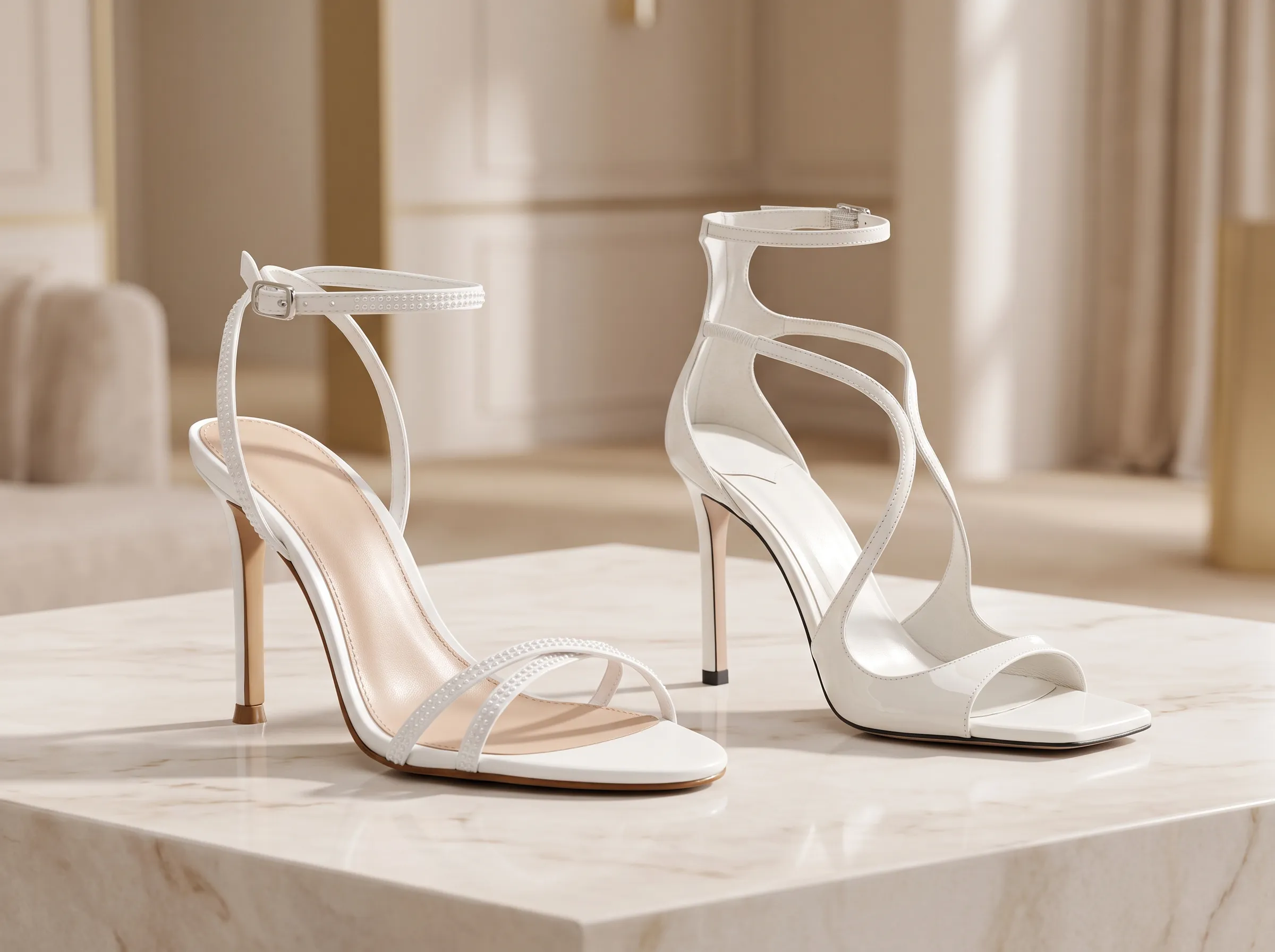 High HeelsStilettos, kitten and ankle-strap
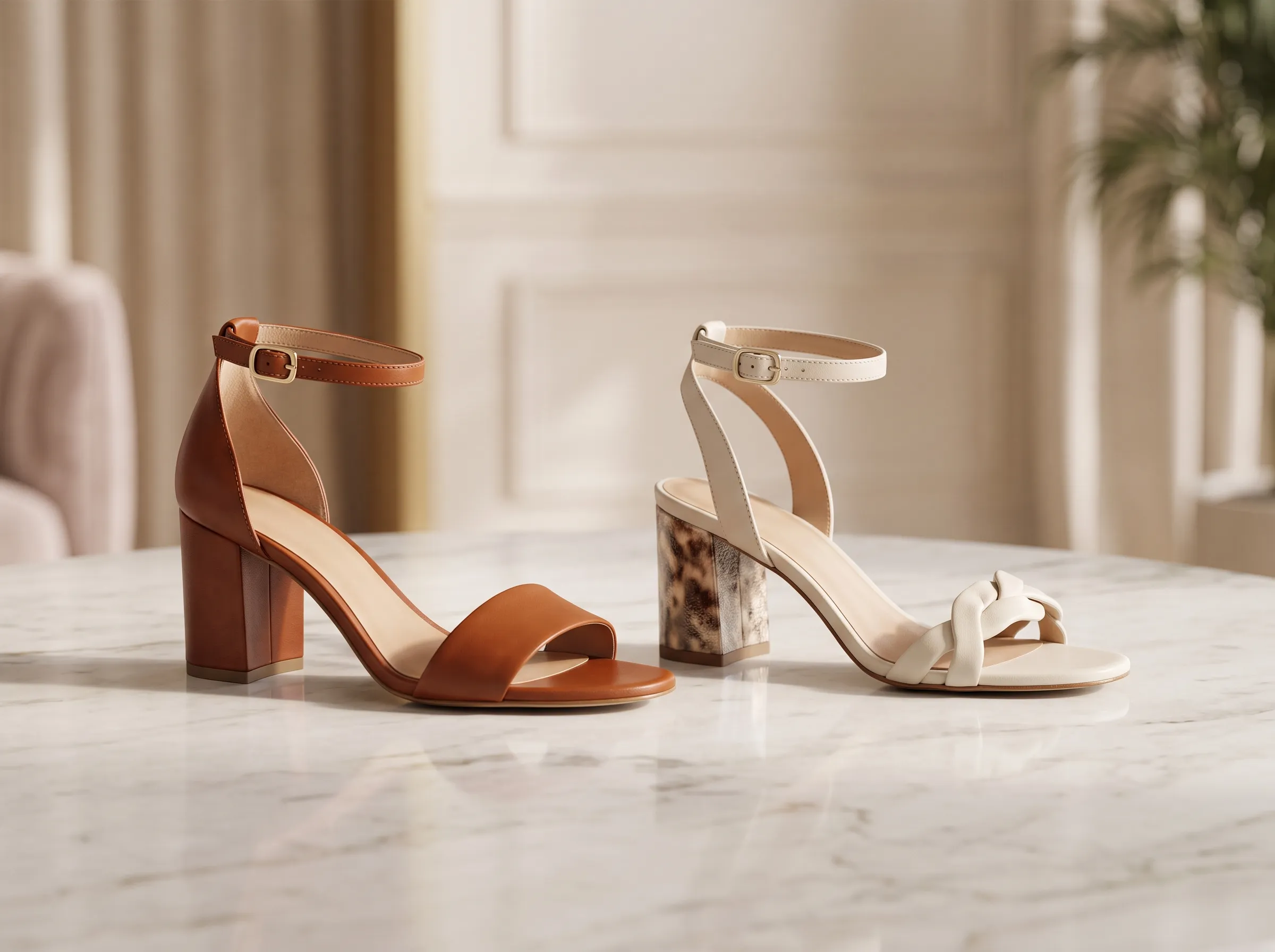 Block HeelsStable, easy-to-wear heels
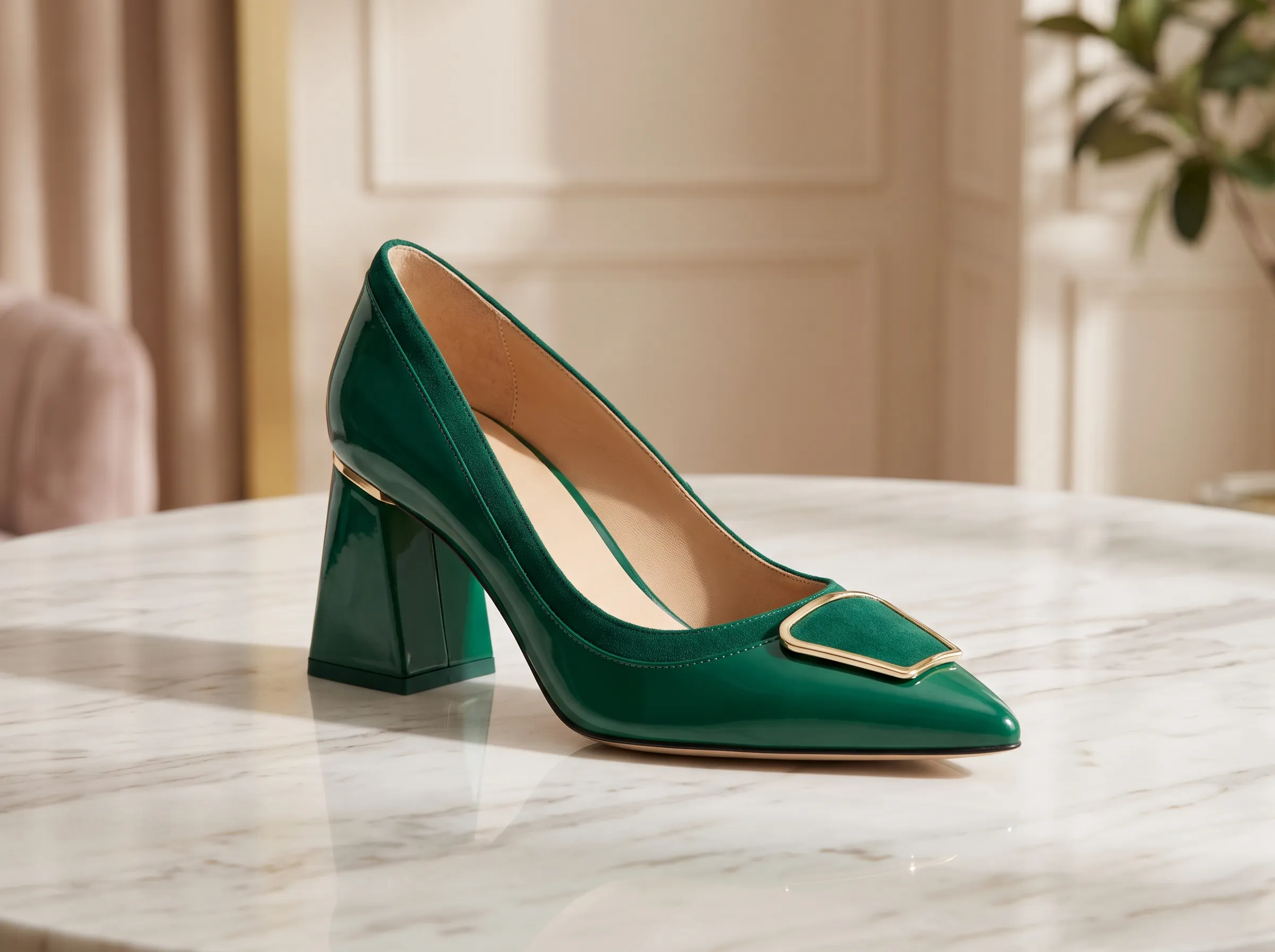 PumpsCourt and slingback styles
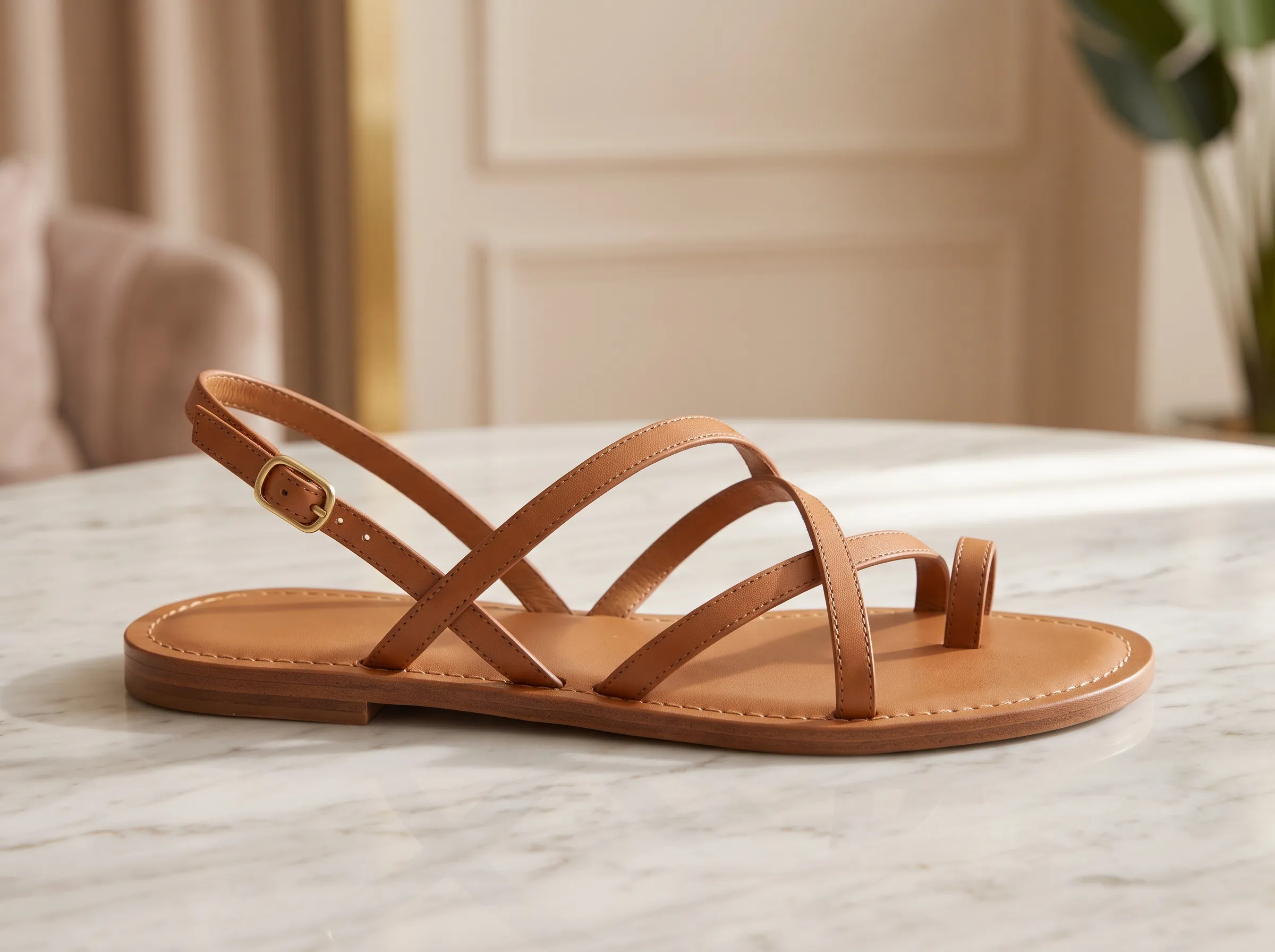 FlatsBallet flats and mules
 SandalsOpen styles for warm weather
 Women's LoafersSlip-on and penny loafer styles
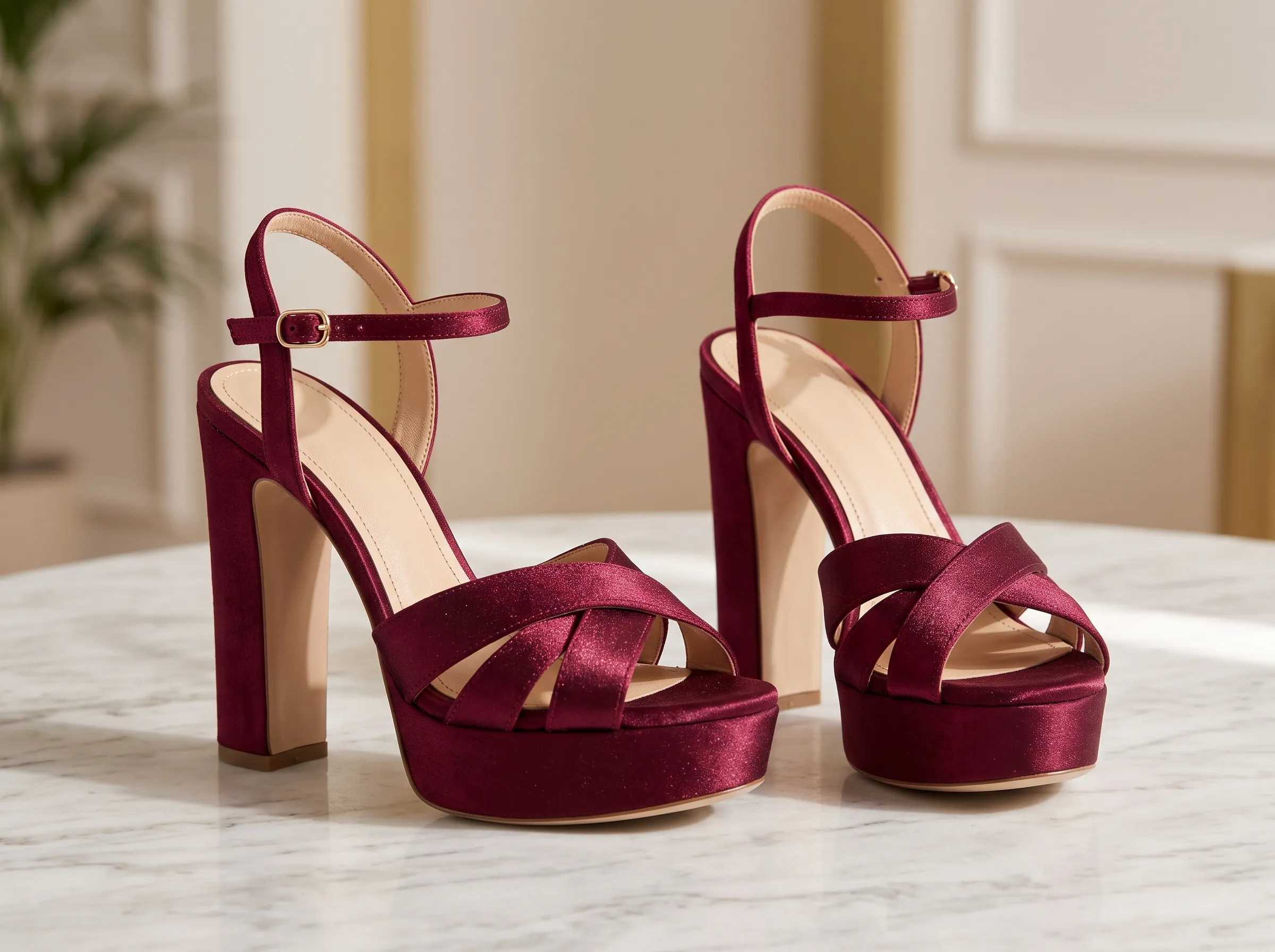 PlatformsExtra height with balance
 WedgesOne-piece sole, easy to wear
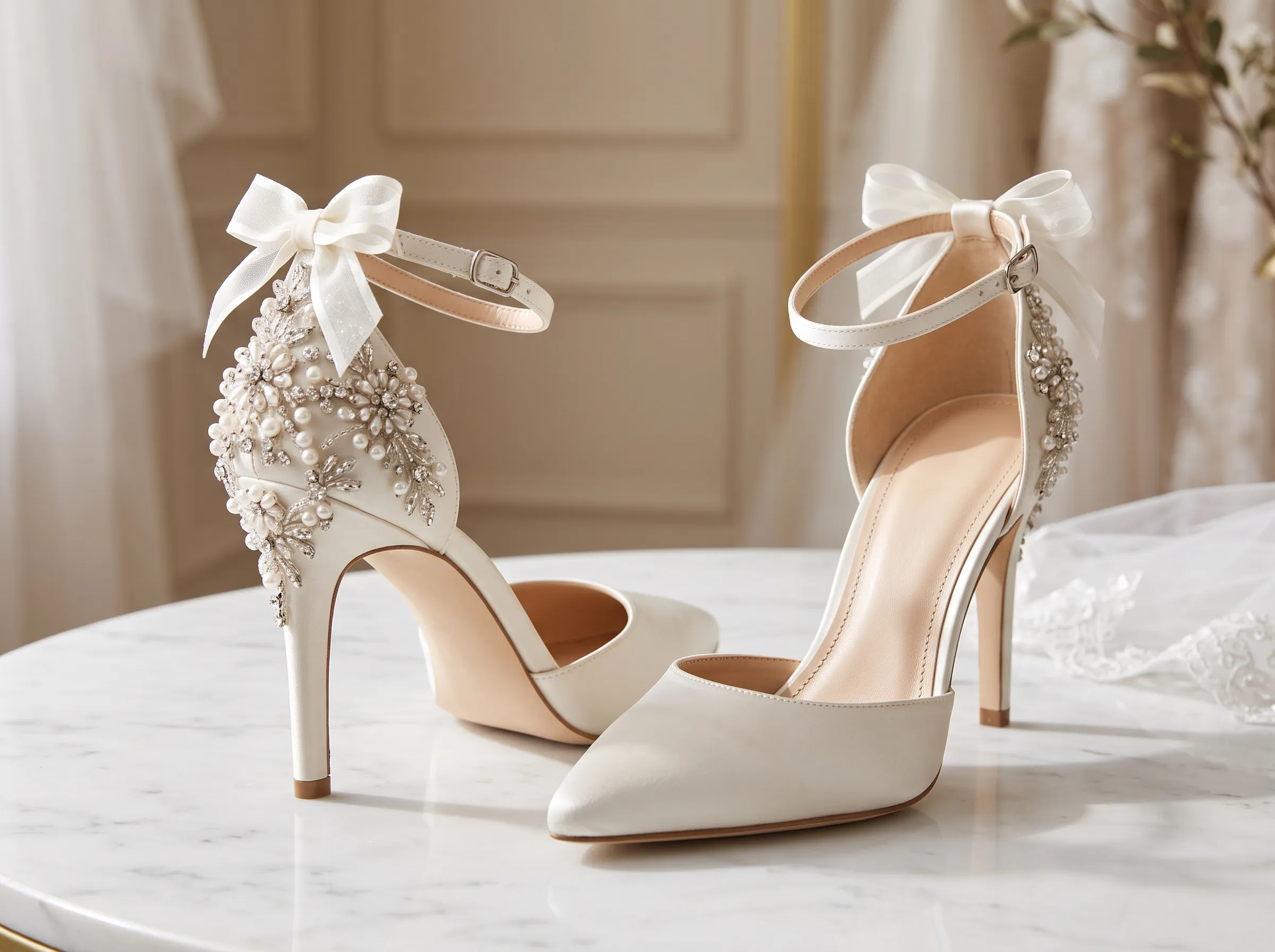 Bridal & OccasionBridal, evening and party
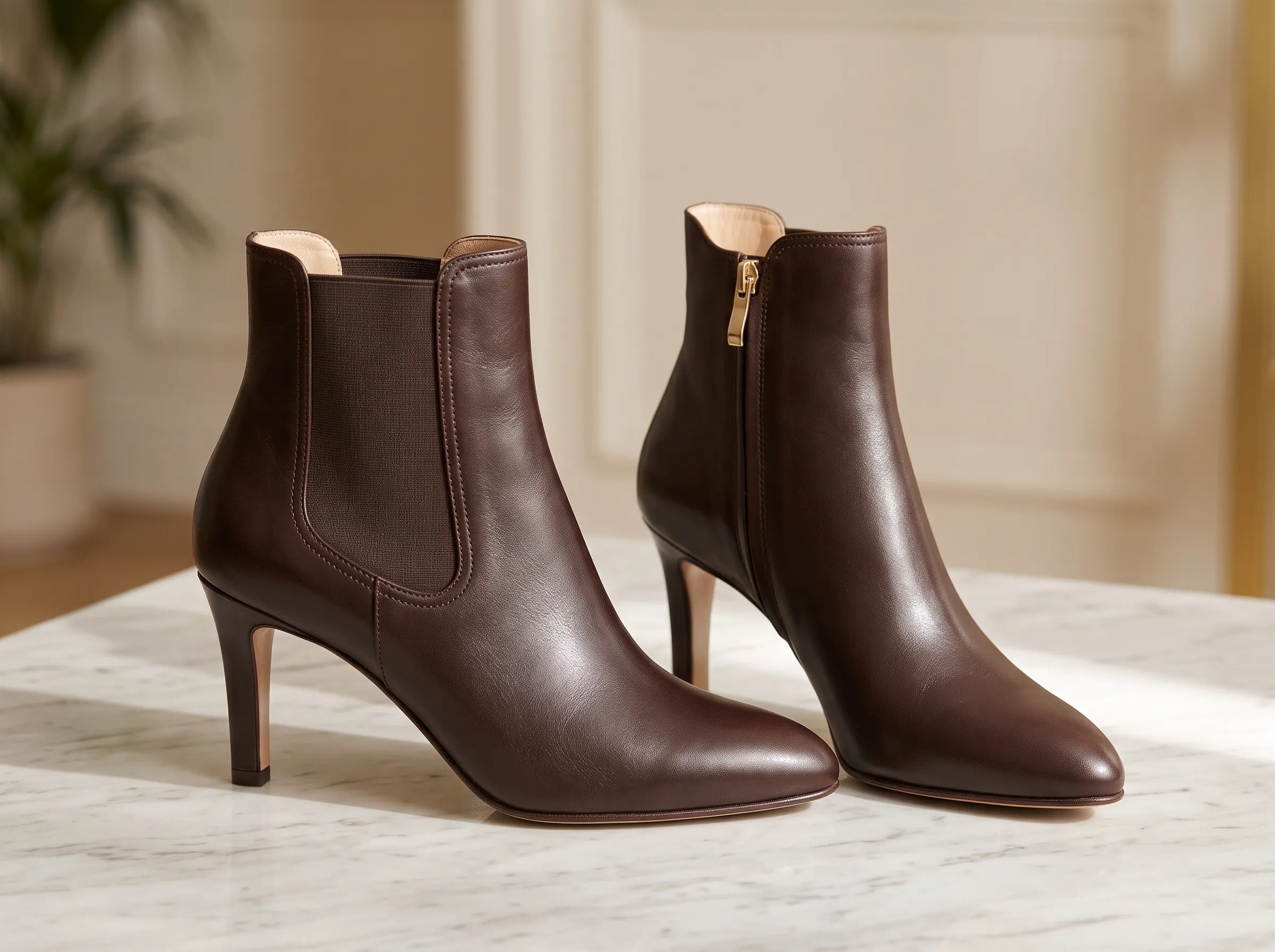 Women's BootsAnkle and mid-calf styles
Who It Is For
Who collection development is for.
Collection development is the right starting point for these kinds of brands.
Fashion brands planning a season
Develop a coordinated footwear range that sits alongside your existing apparel or accessories line.
Learn moreStartups building a first range
Start with a small, coordinated capsule instead of one-offs — easier to sample, easier to sell.
Learn moreBrands extending an existing line
Add new silhouettes, colourways or categories to a collection that is already working.
Learn moreBuyer FAQ
Questions brands ask about collection development.
Your Brand. Your Collection.
Ready to plan your next footwear collection?
Send your category, target market, season and rough range size. We will reply with a collection plan and how sampling would work.