
Footwear Customisation Services
Custom Footwear Design & Brand Customisation
Lajwanti Designers helps brands customise silhouettes, materials, colours, trims, finishes and details so a collection looks and feels like yours — not a generic template. Every customisation is confirmed against your market, price point and production requirements before sampling.
Where You Start
Everything that makes a shoe your own.
Not every project needs every option. You pick the areas that matter most and we build the rest of the shoe around them.
Silhouette
Toe shape, heel height, panel layout and overall proportions.
Materials
Leather, suede, satin, patent, velvet and mixed-material builds.
Colours & finishes
Core and seasonal colourways, plus finish and edge treatments.
Details & branding
Trims, hardware, insoles, labels and logo placement.
Customisation One
Silhouette customisation
Adjust toe shape, heel height, panel layout and proportions without rebuilding the whole design. This is often the fastest way to make a reference design look like your own.
- Toe and heel shape adjustments
- Panel layout and seam placement
- Closure style — slip-on, buckle, strap, lace
- Overall proportions and coverage
Customisation Two
Material & finish customisation
Material choice decides how a shoe feels and wears. We match materials to the category, price point and season — and confirm physical swatches before sampling.
- Upper materials and linings
- Finish effects — matte, gloss, metallic, embossed
- Mixed-material builds
- Material compatibility with your price target
Not sure what to customise first?
Send us a reference or a rough direction. We will suggest the highest-impact customisations for your market.
Custom Footwear Design Options
Every customisation area, in one place.
Use these tabs to see what can be customised at each stage. You do not need to decide everything at once.
Upper shape
The visible silhouette of the shoe.
- Toe shape — pointed, round, almond, square, peep
- Vamp depth and coverage
- Panel layout and seam positions
Heel & sole
Height and profile matched to the design.
- Heel height and profile
- Sole thickness and shape
- Balance checked in sample
Closures
How the shoe holds the foot.
- Slingback, court, ankle-strap
- Buckle, elastic or lace
- Hardware placement checked
Upper materials
Chosen for look, cost and durability.
- Leather, nubuck and suede
- PU, patent and metallic finishes
- Satin, velvet and woven fabrics
Linings & socks
The parts you feel when you wear the shoe.
- Lining materials for comfort
- Sock materials and finish
- Branded insole options
Mixed materials
Contrast or layering within one design.
- Contrast panels and trims
- Textured and smooth combinations
- Material compatibility with your price
Core colourways
Colours that stay in the range.
- Neutrals, classics and permanent colours
- Colour matching to your brand guide
- Pantone matching on request
Seasonal colours
Colours that change with the range.
- Season-led colour stories
- Coordinated colourways across the range
- Confirmed with physical swatches
Finish effects
How the surface catches the light.
- Matte, satin and gloss finishes
- Metallic, embossed and printed finishes
- Edge treatments and painted edges
Decorative trims
Details that lift a shoe above the base design.
- Bows, chains, pearls and embellishments
- Rhinestones, crystals and stones
- Embroidered and woven trims
Hardware
Functional and decorative metal parts.
- Buckles, rivets and eyelets
- Metal finishes — gold, silver, bronze, gunmetal
- Hardware quality matched to price point
Stitch & edge detail
The finishing touches that make it feel made.
- Stitch styles and thread colours
- Edge painting, burnishing and folding
- Perforation and cut-out detail
Logo placement
Where your brand is seen.
- Insole, sock, lining or upper
- Heel, tab or outsole placement
- Hardware branding on buckles and rivets
Application technique
Matched to the material and design.
- Pressed-in, foil or embossed logos
- Heat transfer and screen print
- Woven labels and embroidery
Presentation
What the customer sees first.
- Shoebox branding options
- Tissue, tags and thank-you cards
- Coordinated packaging on request
Material Directions
Popular customisation directions we work with.
These are example directions — not a fixed list. If you have a material in mind that is not shown here, ask and we will check availability.
How It Works
From brief to customised sample in four steps.
You approve each step before we move on.
Share your direction
Send references, brand guide and the customisation areas you want to explore. We suggest the highest-impact options for your market.
You approve: the planConfirm customisation
We confirm silhouettes, materials, colours, trims and branding in writing, and share physical swatches where relevant.
You approve: the specCustomised sample
The approved customisations are built into a paid sample so you can check the result in hand. Women's samples usually take 10–14 days.
You approve: the sampleProduction quote
The approved sample and customisation spec go into your quote. Bulk production usually runs 4–6 weeks after approval.
You approve: the quoteWomen's Styles
Start from a style we already design.
Look at reference designs by style, then send us the ones closest to your idea and tell us what to customise.
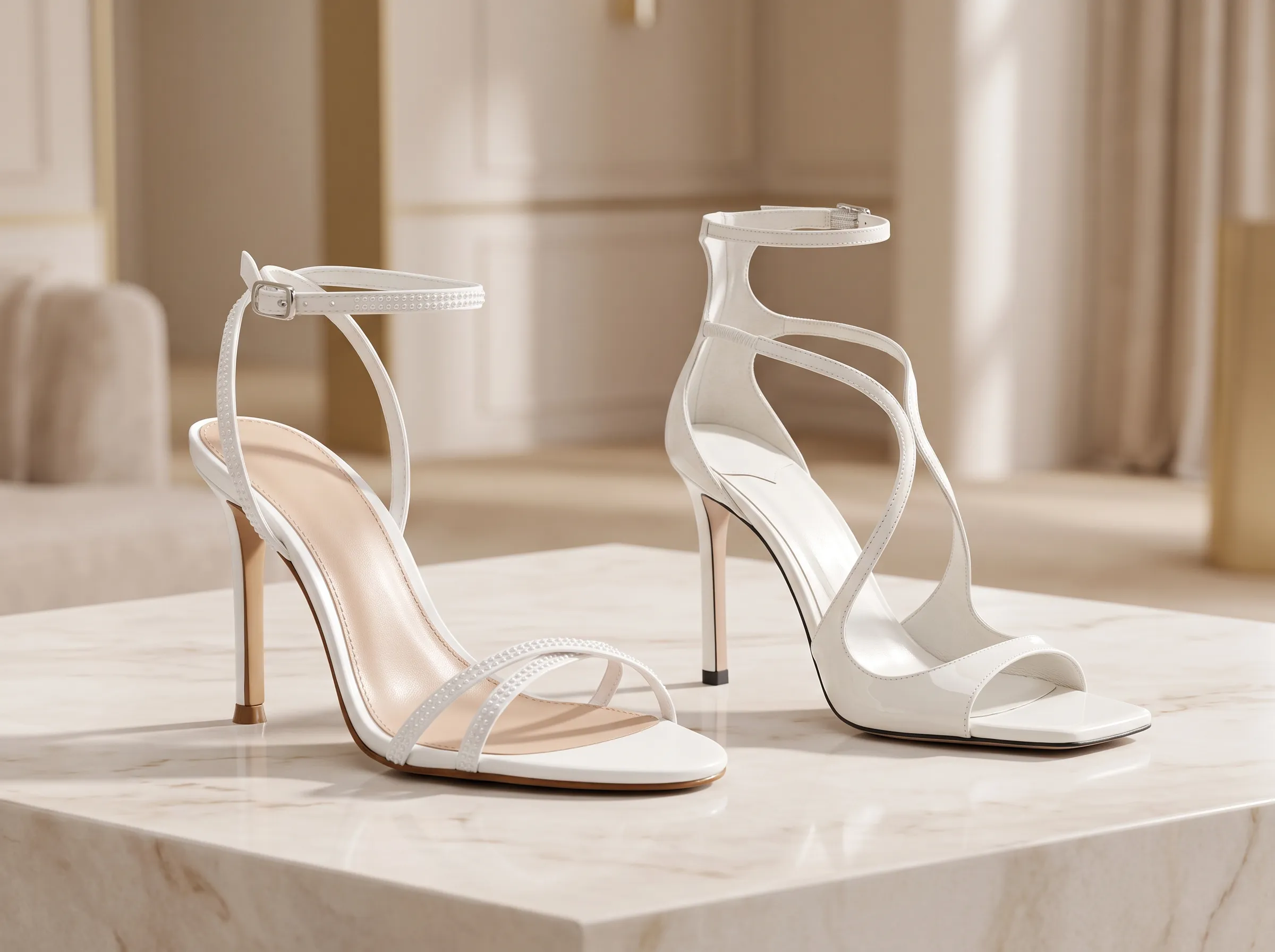 High HeelsStilettos, kitten and ankle-strap
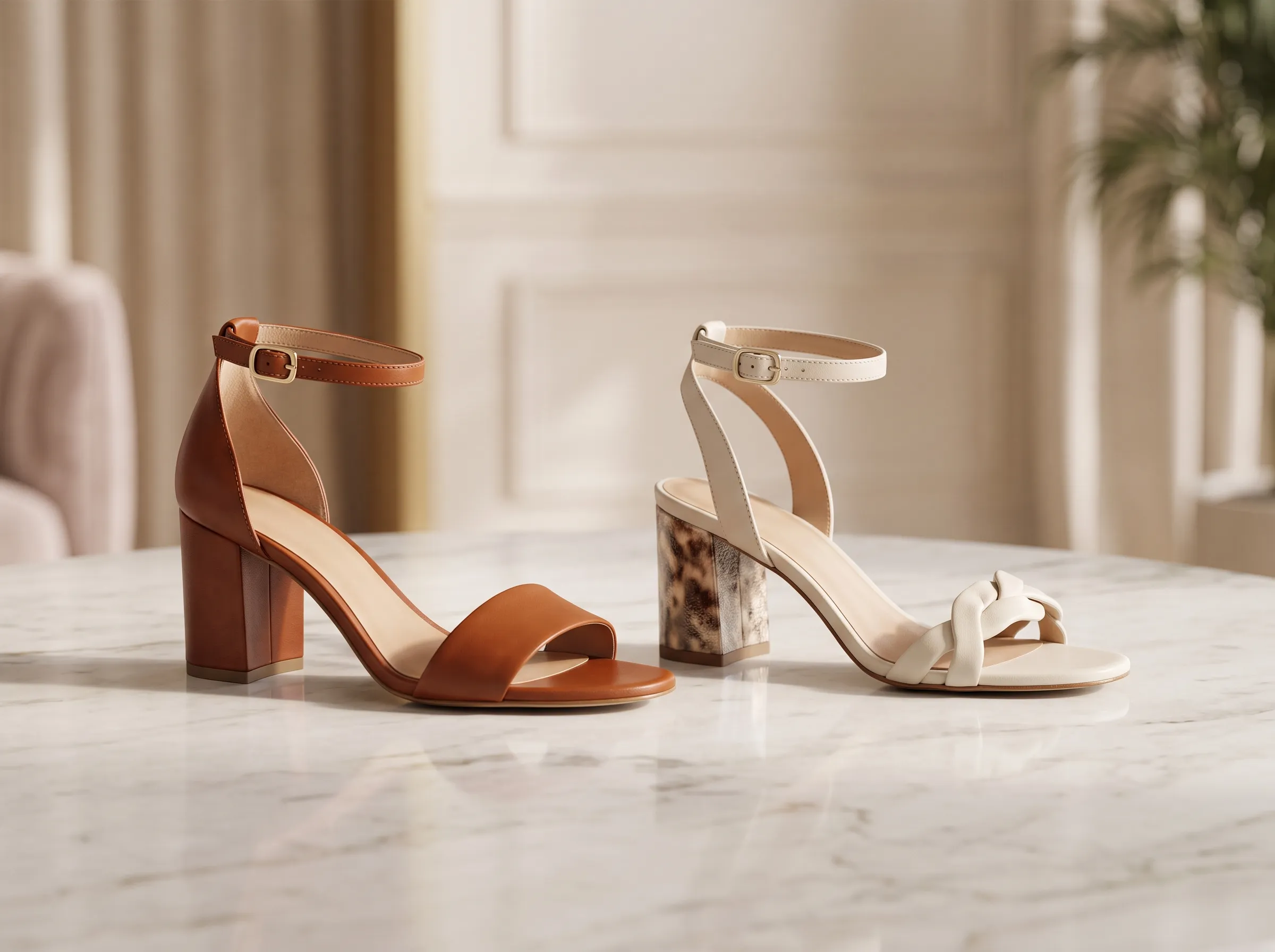 Block HeelsStable, easy-to-wear heels
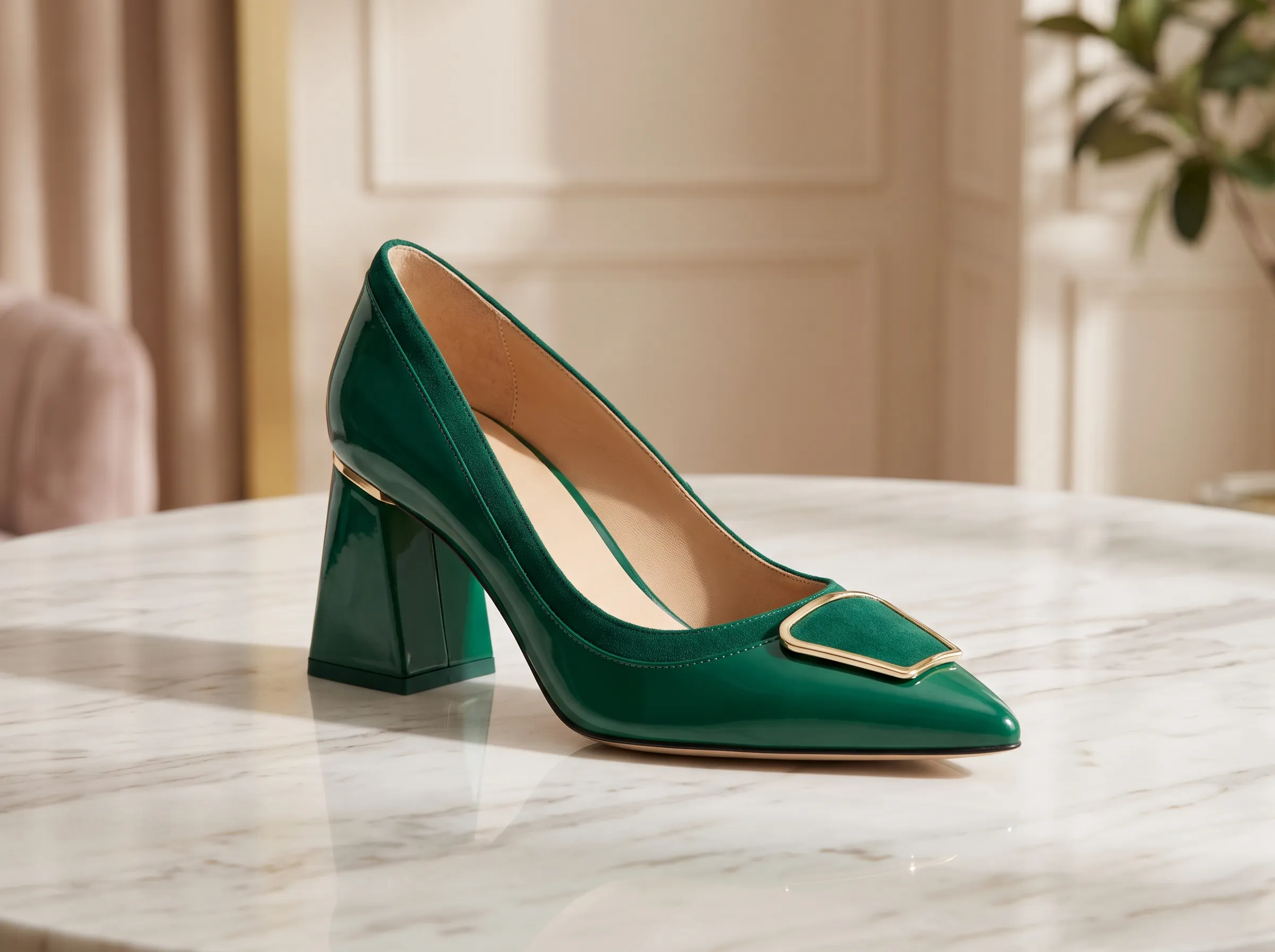 PumpsCourt and slingback styles
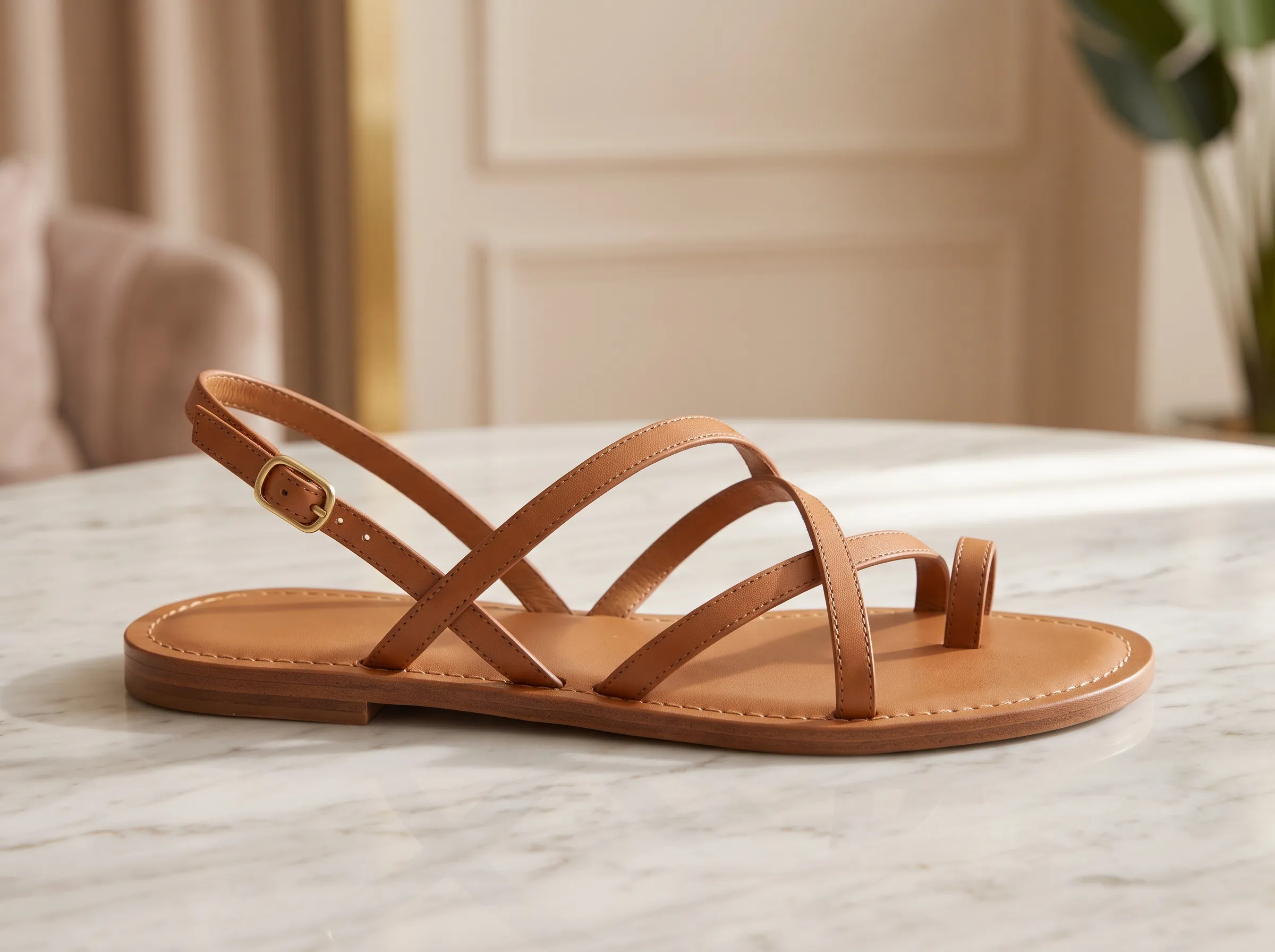 FlatsBallet flats and mules
 SandalsOpen styles for warm weather
 Women's LoafersSlip-on and penny loafer styles
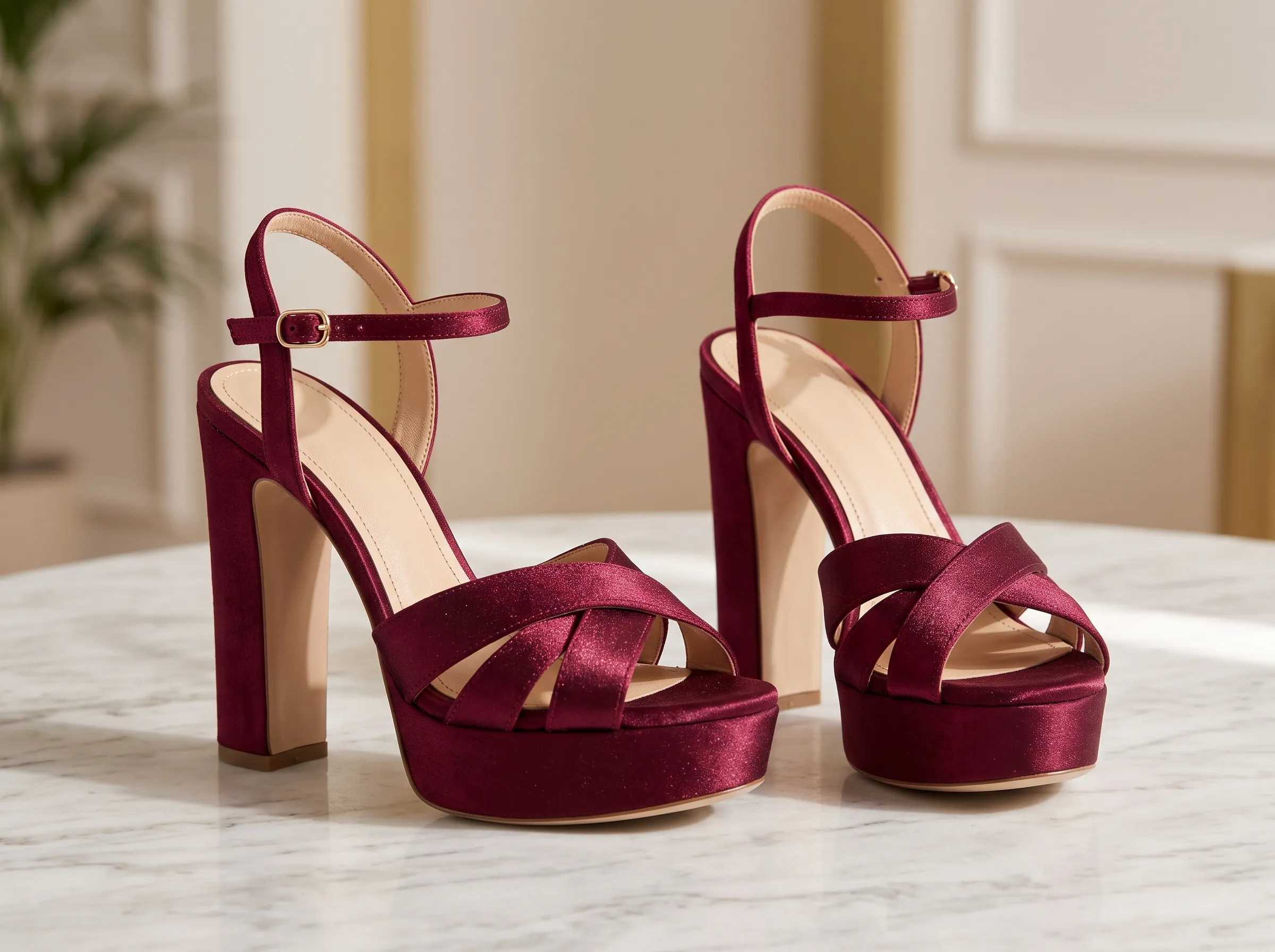 PlatformsExtra height with balance
 WedgesOne-piece sole, easy to wear
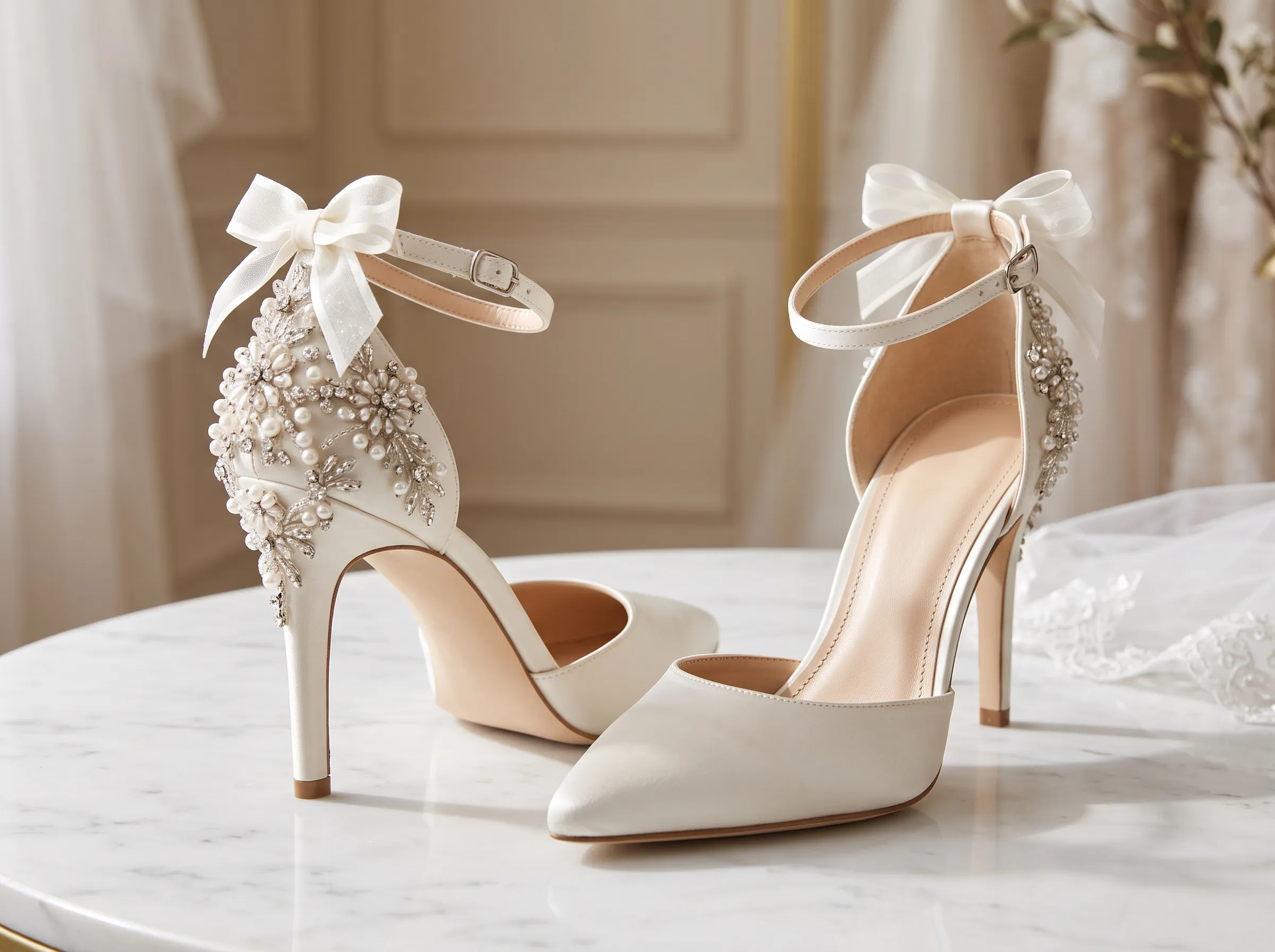 Bridal & OccasionBridal, evening and party
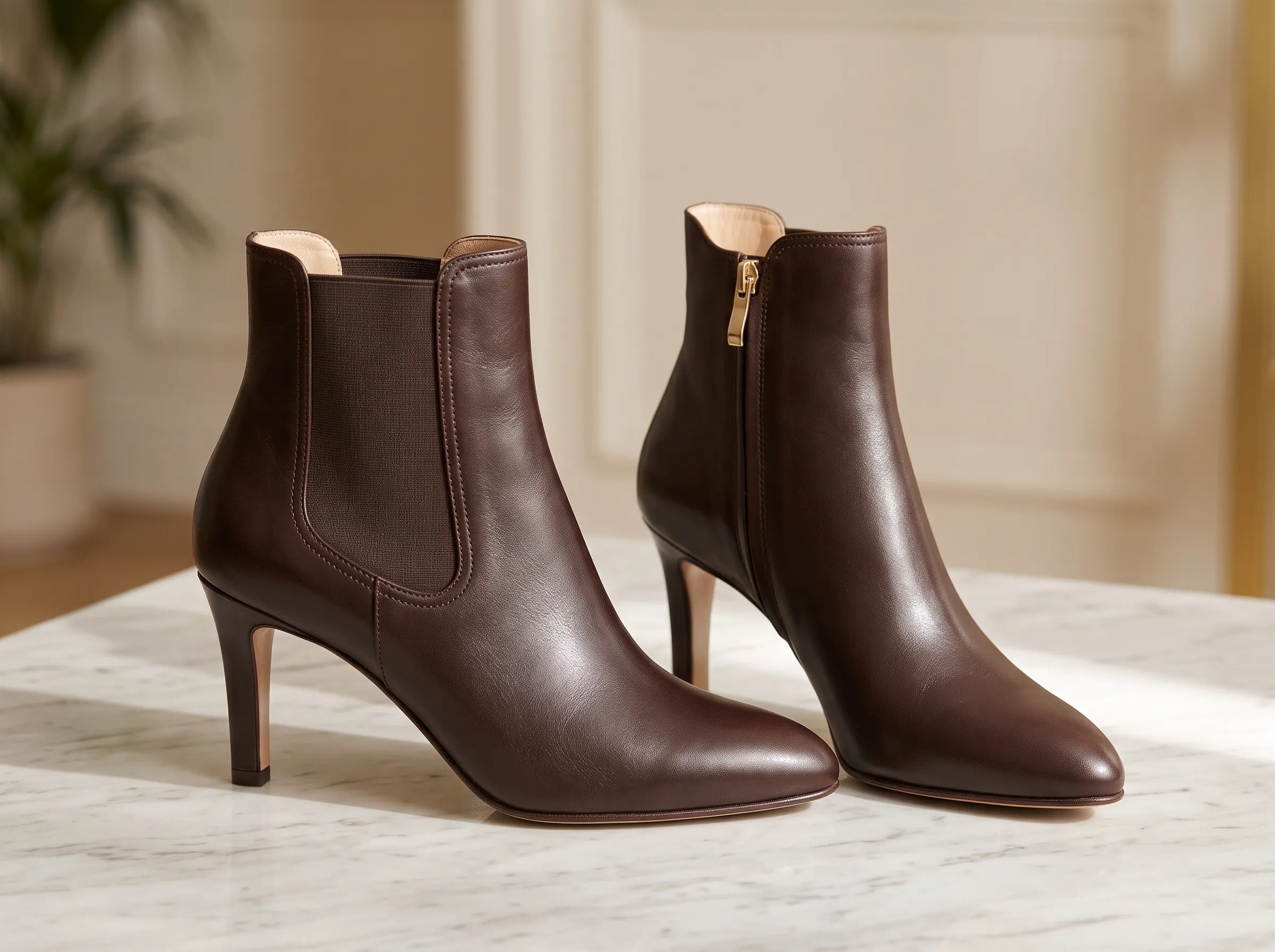 Women's BootsAnkle and mid-calf styles
Who We Work With
Who we customise for.
We customise for brands at every stage — from a first collection to an established range that needs refreshing.
Fashion brands & boutiques
Customise silhouettes, materials and detailing so the range reads as one collection, not mixed sources.
Learn moreStartups & first collections
Pick the customisations that matter most for your first run, and keep the rest clean and simple.
Learn moreBrands planning a new range
Ready to begin? Share a brief and we will map out the customisations worth exploring.
Learn moreBuyer FAQ
Questions brands ask about customisation.
Your Brand. Your Details.
Ready to customise your footwear collection?
Send your references, brand direction and the customisation areas you care about most. We will reply with suggestions and how sampling would work.